Building Connections for Alaska's Trails: A Conversation with Will Taygan
Cameron Sanders / Bikepacking Roots
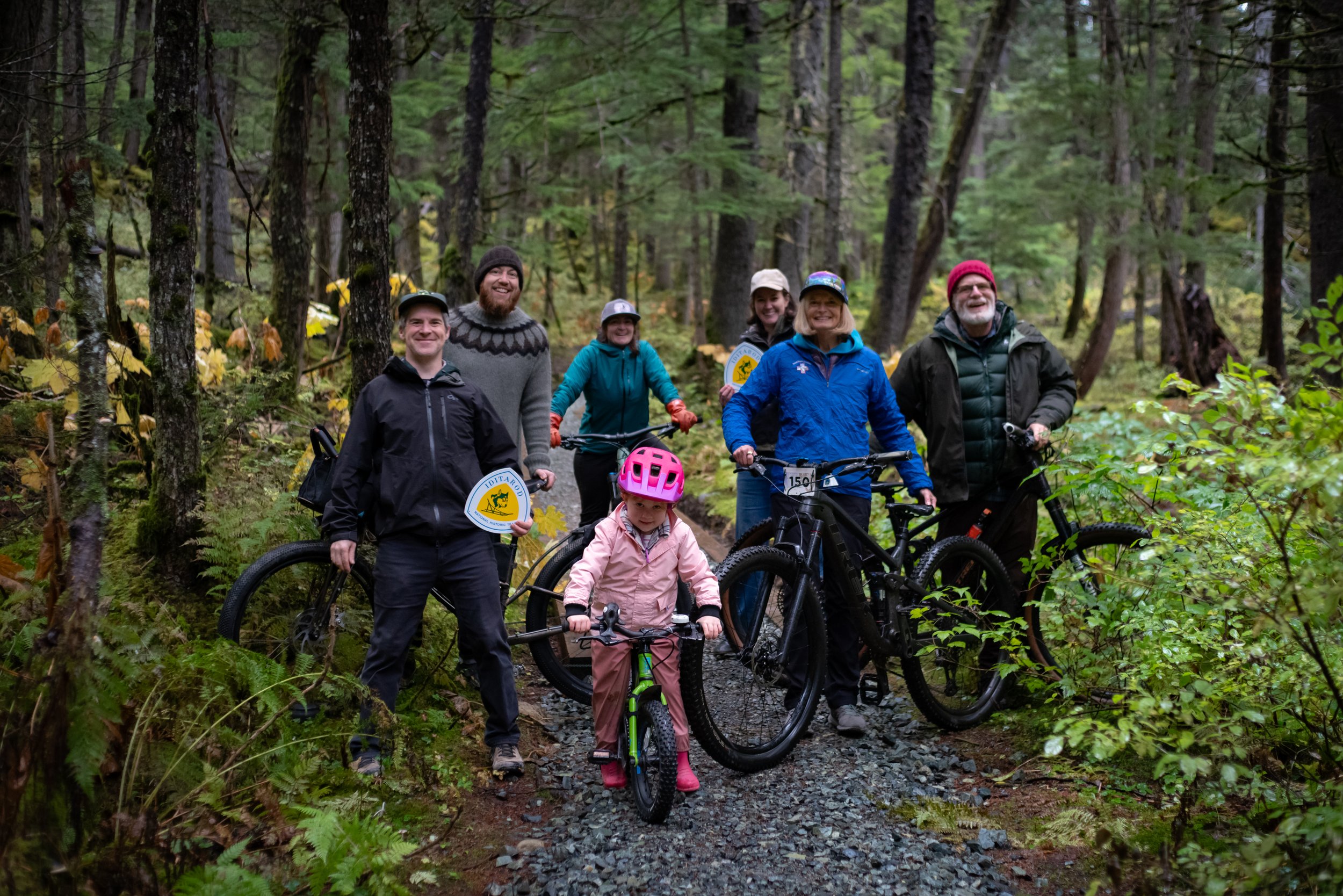
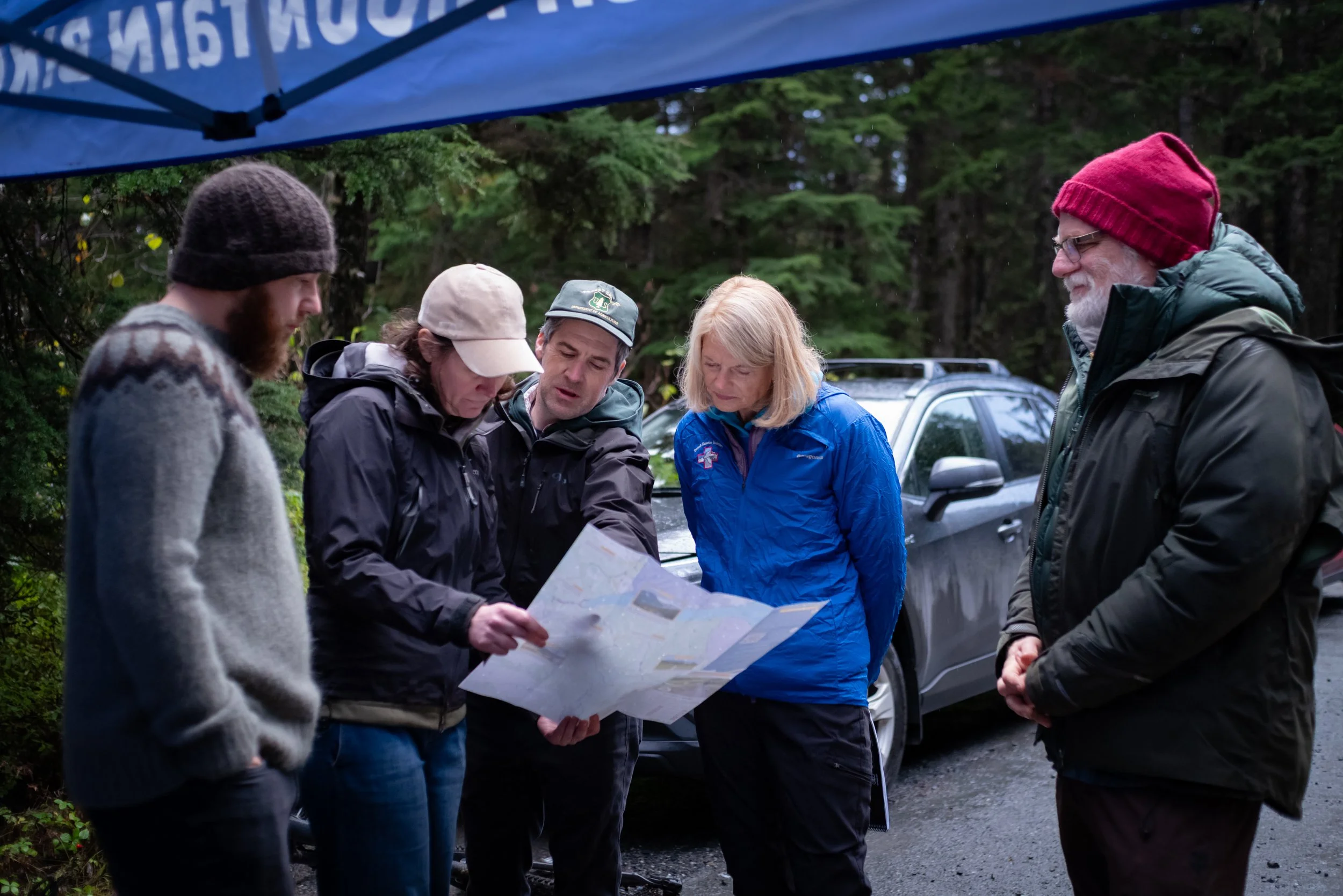
When Senator Lisa Murkowski joined a group of outdoor recreation advocates on Alaska's Iditarod National Historic Trail earlier this month, the conversation was about more than just trails. It was an opportunity to demonstrate how investments in recreation can connect communities, support local economies, and expand opportunities to get outside.
Will Taygan, executive director of Chugach Mountain Bike Riders and part of Outdoor Alliance's third cohort of our Grasstops Collective, helped bring together a coalition of recreation leaders to meet with the Senator on a section of trail that several groups are working to connect and improve.
We caught up with Will to hear more about the visit, the growing mountain bike community in Alaska, and what he's learned about building relationships with lawmakers to advance outdoor recreation.
Tell us a little about yourself. How did you get involved in mountain biking and trail advocacy in Alaska?
I grew up in Minnesota and have lived in Alaska for more than 20 years. I've always been involved in getting people outside, from running wilderness programs for youth to leading cross-country ski programs.
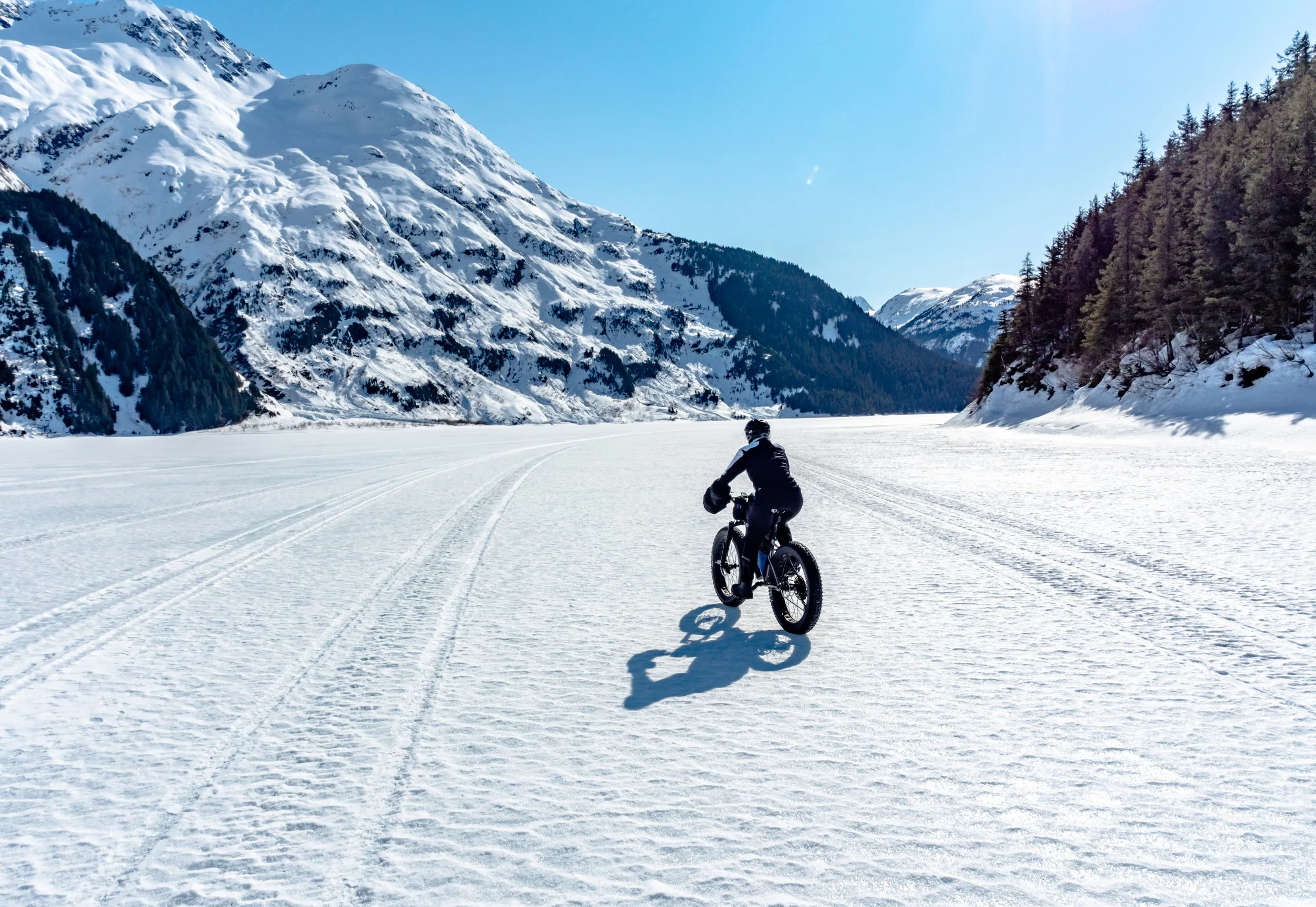
I actually got into mountain biking because of bad snow! We had a couple of winters in the mid-2010s without much snow, and everyone started buying fat bikes. My philosophy is that when the snow is good, you should go skiing, and when the snow is bad, you should go fat biking.
Anchorage has become a huge fat biking community, and a big part of that is having great trails close to home. We have more than 50 miles of mountain bike trails within 30 minutes of downtown, and even more opportunities in winter when rivers and wetlands freeze. Having that infrastructure makes it possible for people to get outside year-round.
About ten years ago, some community members started building mountain bike trails near my house, and I asked if I could volunteer. Now I'm the executive director of Chugach Mountain Bike Riders. Along the way, I've learned how to write grants, work with land managers, attend public meetings, and build relationships with lawmakers. It's been a natural progression from loving the trails to helping advocate for them.
Cameron Sanders / Bikepacking Roots
You recently helped bring Senator Murkowski out to visit some local trails. Where did you take her, and what are you working to accomplish there?
We brought Senator Murkowski to a section of the Iditarod National Historic Trail, where several different trail projects overlap. It's a really exciting opportunity for collaboration.
The Iditarod Trail has a long history in Alaska. It's known for the sled dog race, but it's also a historic transportation route, and in some parts of the state it's still used as a winter highway between communities. For decades, advocates have been working to develop a parallel recreational trail so people can hike, bike, ski, and travel along the historic corridor.
Today, several organizations are working on overlapping projects, including the Iditarod National Historic Trail, the Alaska Long Trail, and our proposed Kenai Mountain Bike Trail. We share a significant stretch of trail corridor, so there's a lot of opportunity to work together on connections and improvements.
We brought together advocates from several organizations, including Alaska Trails, the Iditarod Historic Trail Alliance, Alaska Off-Road Cycling Alliance, Bikepacking Roots, and IMBA, along with the U.S. Forest Service.
One of the exciting things about the visit was showing Senator Murkowski how much support there is across different recreation communities for this shared vision. Mountain biking has grown tremendously in Southcentral Alaska, and we're becoming a more organized voice in these conversations. Having hikers, bikers, and other trail advocates working together makes a much stronger case for investing in these places.
What were the most important messages you wanted to share with Senator Murkowski about outdoor recreation in Alaska?
One of the biggest things is that outdoor recreation is an important use of our public lands, and it deserves to be part of conversations about how those lands are managed and funded.
Senator Murkowski is a strong supporter of multiple uses of public lands, and that includes outdoor recreation. We wanted her to hear directly from the people who use these trails and advocate for outdoor recreation.
Everyone who met with her that day works in outdoor recreation. We talked about how much we appreciate these places and what they mean for our quality of life. But Senator Murkowski also emphasized that recreation is an important economic driver for Alaska.
That really resonated with me. Outdoor recreation isn't just about people enjoying themselves on the weekends. It's about jobs, local businesses, and the small gateway communities that benefit from people coming to explore these trails.
It's also why federal investments in recreation infrastructure, including programs supported through the Great American Outdoors Act, are so important. Local volunteers and organizations can accomplish a lot, but we need the resources and support to maintain trails, build connections, and create lasting recreation opportunities.
Was there anything particularly memorable about your conversation with Senator Murkowski?
I brought along a copy of her memoir for her to sign, because I remembered that there was a mountain bike in the story about the beginning of her political career. When I mentioned it, she said, "That's where it all began."
I thought that was a fun connection. Here we were, talking about mountain biking and trails, and it turns out a mountain bike was part of the story of how she first got involved in politics.
The other thing that stood out was how well she listened. She gave everyone the opportunity to talk about what mattered to them.
And I really appreciated her emphasis on the economic value of outdoor recreation. We were talking about how much people love these trails, and she reminded us that recreation also supports communities and livelihoods. That's an important part of the conversation, especially in Alaska.
I think outdoor recreation can provide valuable common ground in discussions about public lands. Sometimes the conversation gets framed as a choice between development and preservation, but recreation brings another perspective. These are places we want to conserve, access, and enjoy, and they also support local economies.
Earlier this year, you participated in Outdoor Alliance's Grasstops Collective and traveled to Washington, D.C., to meet with lawmakers. How did that experience change your approach to advocacy?
I learned a lot through the Grasstops Collective. It helped me dig deeper into things I was already doing and become more effective.
We all know we're supposed to contact our senators, but what does that actually mean? Do you just call the main office number? Who do you talk to?
One of the most valuable things I learned was how congressional offices work and how to find the staff members who are responsible for the issues you care about. Senators and representatives have teams of people they trust to help them understand policy issues and make decisions.
If you want your message to get across, it helps to know who those people are and to develop relationships with them.
It's really about trust. You might not agree on every issue, but if a staff member knows you're being honest, that you understand what's happening on the ground, and that you represent a community of constituents, they're going to take what you say seriously.
I appreciate lawmakers like Senator Murkowski and her staff who are willing to listen, even when we don't necessarily agree on everything.
There are times when being loud is helpful, but that's not always the most effective approach. The grasstops training helped me better understand how to navigate the system and build the relationships that make advocacy work over the long term.
Cameron Sanders / Bikepacking Roots
What do you hope comes out of this visit, and what's next for your advocacy work in Alaska?
In the short term, we're hoping to get our mountain bike trail route, Kenai Mountain Bike Trail and the Southern Trek Iditarod, designated as a federal Biking on Long-Distance Trails route, building on the opportunities created by the EXPLORE Act.
That designation would celebrate the trails we already have, but more importantly, it would give our community a shared goal to organize around. It would help us advocate for trail maintenance, improvements, and the connections needed to create a longer continuous route.
We're talking about trails that run through national forest lands and connect smaller communities that depend in part on summer tourism. Better trail connections can bring more visitors to those communities while creating incredible opportunities for Alaskans to explore their own backyard.
The long-term goal is to keep building the coalition of trail advocates and organizations that can help make that vision a reality.
What advice would you give to other outdoor enthusiasts who care about their local trails and public lands but aren't sure how to get involved in advocacy?
Go to every public meeting you can. Introduce yourself to your land managers and public officials whenever you have the opportunity.
Those in-person connections matter. People remember when you show up, introduce yourself, and take an interest in what's happening.
It might feel intimidating at first, but over time you become a familiar face. A couple of years later, someone recognizes you and says, "Hey Will, what's going on?"
That's how relationships get built. And those relationships are what help you make a difference for the trails and places you care about.